- Mon to Fri, 9:00AM to 6:00PM MST
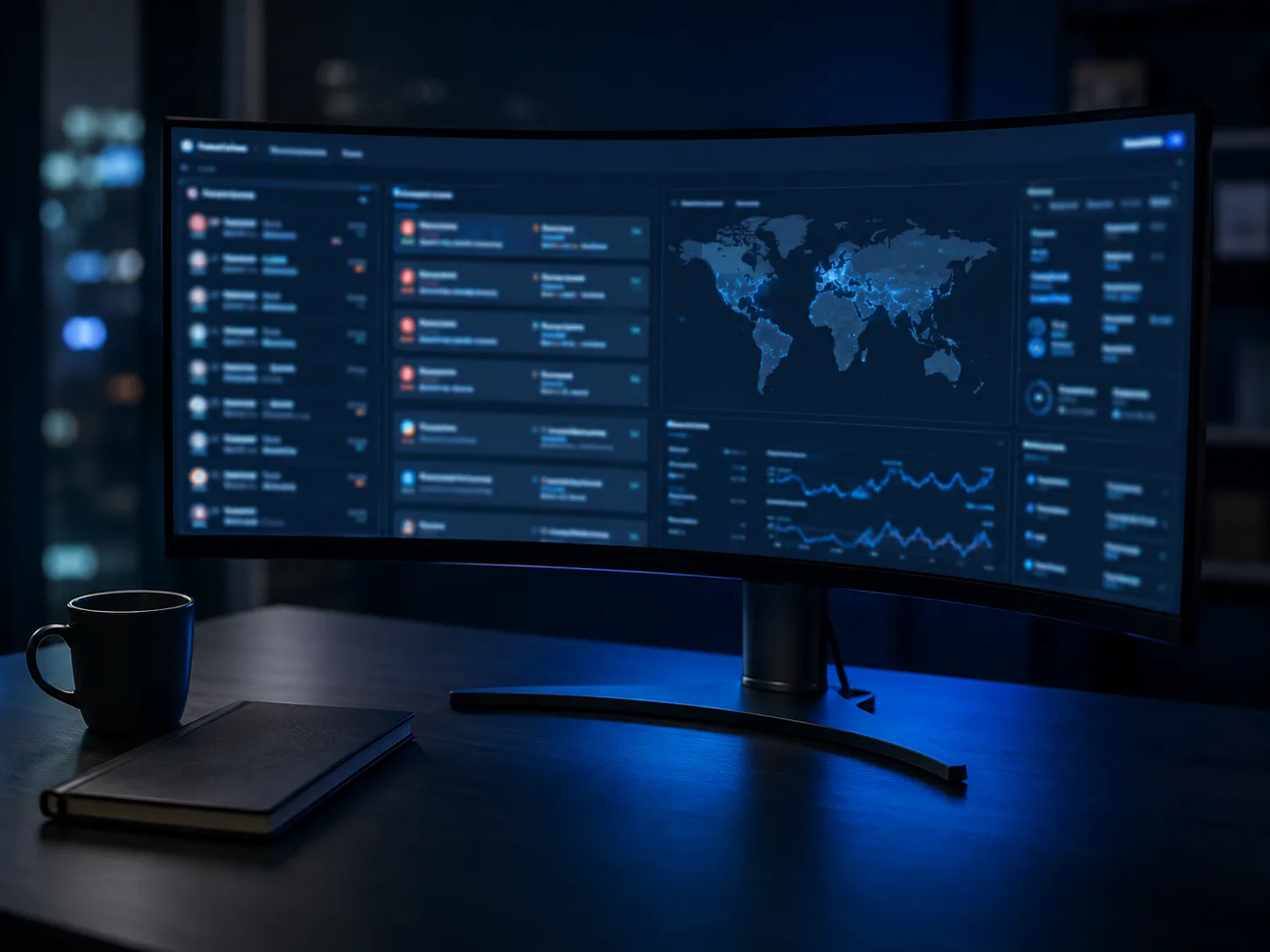
ai agentic soc
A SOC that triages and responds on its own
We design and build autonomous, AI-driven security operations for lean teams and MSSPs, running the same architecture as ARIA, our production agentic SOC.
Agents that triage, investigate and respond without waiting on you
A traditional SOC depends on human analysts to watch alerts, decide what matters, and act. That means coverage gaps whenever nobody is watching, and burnout when everything lands at once.
An agentic SOC replaces that manual loop. Agents triage incoming alerts, pull the investigative context themselves, and take response actions without waiting for someone to come online.
Fewer alerts reach a human at all, the ones that do get answered faster, and lean teams get real round-the-clock coverage without staffing a night shift.
What actually gets built
This is the architecture behind ARIA, our production agentic SOC. It is a system we operate every day, not a diagram drawn for a deck.
foundation
SIEM ingestion
A SIEM foundation (Wazuh) aggregates and normalizes logs across your environment.
detection
ATT&CK-mapped detections
Detections map against MITRE ATT&CK, so every alert ties back to a known adversary technique.
agents
L2 and L3 triage
Agents investigate context, correlate signals and score severity before a human ever sees the alert.
enrichment
Multi-source threat intel
External feeds add the context an analyst would otherwise chase down by hand.
action
Automated response
Confirmed threats trigger containment, isolate or block, without waiting on an on-call analyst.
isolation
Multi-tenant separation
Environments are segmented per tenant, so one client's data and detections never touch another's.
Built for teams without a night shift
Lean security teams
Teams that cannot staff a round-the-clock analyst rotation but still owe someone real 24/7 coverage.
MSSPs
Providers who want L1 and L2 triage automated across client environments without adding headcount per client.
Orgs drowning in alerts
Companies with more alerts than analysts, where the real threats get buried in the noise.
Assessment to handoff
Assessment
A review of your current detection and response setup, alert volume, and where coverage actually breaks.
Design
An architecture scoped to your environment. Explicit about what gets automated and, more importantly, what does not.
Build
The agentic SOC gets built and tuned against your real detections and your real threat model.
Handoff
Your team takes it, or we stay on in a managed capacity. Decided before we start, not after.
Every environment is different, so engagements are scoped individually rather than sold off a price sheet. The fastest way to a real number is a scoping call.
Let us work together
Talk through your environment
A scoping call to find where an agentic SOC would actually help, and where it would not. No guarantee language here, just a straight conversation.